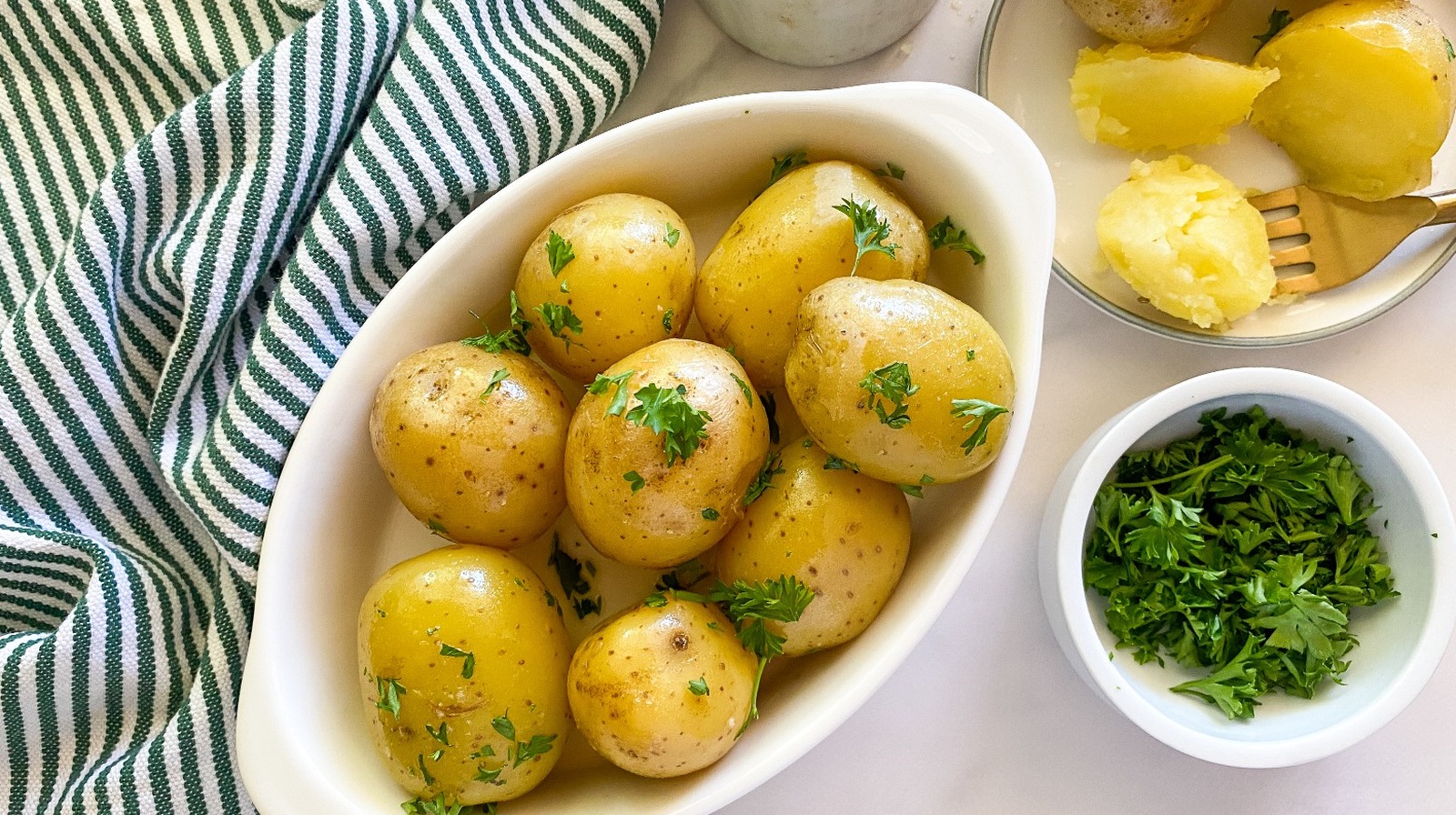
Uncovering Syracuse Salt Potatoes: History of Salt City's Staple
Syracuse, New York, a city affectionately known as "Salt City," holds a delicious secret close to its heart: the unassuming yet utterly captivating Syracuse salt potato. Far from your average boiled spud, these unique tubers boast a rich history rooted in local industry and immigrant ingenuity. A simple, three-ingredient marvel, the salt potato has transcended its humble beginnings to become a cherished regional delicacy, a staple at barbecues, family gatherings, and local eateries across Central New York. If you’ve never experienced the creamy texture and perfectly salty crust of a Syracuse salt potato, prepare to embark on a journey that explores not just a
salt potatoes recipe, but a slice of American history.
The Humble Origins of a Central New York Icon
The story of Syracuse salt potatoes dates back to the mid-19th century, a pivotal time when Syracuse truly earned its "Salt City" moniker. The region was a booming hub for salt production, an industry that required immense labor and offered a lifeline to many seeking new opportunities. Among those who flocked to Syracuse were a significant number of Irish immigrants, driven by economic hardship and the promise of work.
These resilient workers found themselves toiling in demanding conditions, often involving the boiling of saltwater in large cauldrons to evaporate the water and extract the valuable salt crystals. It was a laborious process, but one that inadvertently created the perfect environment for an accidental culinary innovation. Faced with the need for simple, inexpensive, and readily available sustenance, these salt workers began to experiment.
They realized that the very vats used for salt production could double as convenient cooking vessels. Tossing small, unpeeled potatoes directly into the super-saline boiling water, they discovered that something extraordinary happened. As the potatoes cooked, they absorbed the salty brine, and upon draining, a thin, delicate crust of salt crystallized on their skins. This transformation elevated an ordinary potato into a deeply flavorful, satisfying meal. Thus, the Syracuse salt potato was born out of necessity, ingenuity, and a dash of brilliant culinary serendipity. It quickly became a popular and practical lunch for the workers, a tradition that would continue to flourish and define the region's gastronomic identity.
More Than Just Boiled Potatoes: The Syracuse Salt Potato Experience
For those unfamiliar with this Central New York specialty, it’s easy to dismiss Syracuse salt potatoes as simply "boiled potatoes." However, such an assessment would be a disservice to their unique character. What truly sets them apart is the distinctive cooking method and its profound effect on both flavor and texture. Unlike regular boiled potatoes, which can often be bland and watery, salt potatoes offer a sensory experience all their own.
The extremely high concentration of salt in the cooking water is the secret weapon. It elevates the boiling point of the water, allowing the potatoes to cook more thoroughly while preventing them from becoming waterlogged. The result is a potato with an incredibly creamy, almost fluffy interior that contrasts beautifully with a slightly firm, delicately salted skin. The surface develops a subtle, almost powdery layer of crystallized salt once drained and air-dried, providing that signature burst of flavor with every bite. This unique texture and intense salinity make them incredibly addictive and a perfect foil for richer main courses. They truly are
Syracuse Salt Potatoes: Not Your Average Boiled Potato Explained.
Beyond their distinct taste and texture, Syracuse salt potatoes hold a special place in the hearts of Central New Yorkers, particularly among families with Irish heritage. They are a comfort food, a symbol of community, and a testament to the region's history. From summer picnics and backyard barbecues to holiday dinners, these humble potatoes consistently make an appearance, cherished for their simplicity, versatility, and undeniable deliciousness.
Crafting Your Own Syracuse Salt Potatoes: A Simple Salt Potatoes Recipe
Recreating this regional classic at home is surprisingly straightforward, requiring just three core ingredients. The beauty of the Syracuse salt potato lies in its minimalism, allowing the natural flavors and the distinctive salty preparation to shine. This
salt potatoes recipe will guide you to a perfect batch every time.
Ingredients:
- 4 pounds small, waxy potatoes (such as baby Yukon Gold, new potatoes, or red potatoes). The smaller the better, as they cook more evenly and develop a better skin-to-flesh ratio. Avoid starchy varieties like Russets, which can fall apart.
- 2 ¼ cups kosher salt. The large crystals of kosher salt are crucial for flavor and for forming that desirable crust. Do not substitute with table salt, as it will be too fine and make the potatoes overly salty.
- 8 cups cold water.
- 1 stick (8 tablespoons) unsalted butter, melted, for serving. Unsalted butter allows the natural saltiness of the potatoes to come through, and you can add salt to your dipping butter if desired.
Step-by-Step Instructions:
- Prepare the Brine: In a large, heavy-bottomed pot (at least 6-quart capacity), combine the 8 cups of cold water and the 2 ¼ cups of kosher salt. Stir well to help dissolve some of the salt. This will create a super-saturated brine.
- Add Potatoes: Gently add the small potatoes to the pot. Ensure they are unpeeled and washed thoroughly. The water should cover the potatoes by at least an inch; if not, add a little more water, maintaining the incredibly salty ratio.
- Boil and Simmer: Cover the pot and bring the mixture to a rolling boil over high heat. Once boiling, reduce the heat to medium-low or medium, just enough to maintain a steady simmer. Continue to simmer the potatoes until they are fork-tender, which typically takes about 25-35 minutes depending on the size of your potatoes. A good test is when a fork slides in easily with minimal resistance.
- Drain and Dry: This step is critical for developing the signature salty crust. Carefully drain the potatoes completely in a colander. Do not rinse them! Give the colander a few gentle shakes to help remove excess water and encourage evaporation. Then, let the potatoes sit in the colander for 5-10 minutes. As they cool slightly and residual moisture evaporates, you'll see a delicate white crust of salt crystals forming on their skins. This is exactly what you want!
- Melt Butter and Serve: While the potatoes are drying, melt the stick of unsalted butter in a microwave-safe bowl or small saucepan. Serve the hot Syracuse salt potatoes immediately, allowing guests to dip them generously into the melted butter. The combination of the salty potato and rich butter is simply irresistible.
Tips for Success and Variations:
- Don't Peel: The skins are essential for both texture and for holding the salty crust.
- Potato Choice: While baby Yukon Golds are often recommended for their buttery texture, new potatoes (small red, white, or yellow) work wonderfully. The key is small and waxy.
- Storage: While best enjoyed fresh, leftover salt potatoes can be stored in an airtight container in the refrigerator for 3-4 days. Reheat gently in the microwave or oven.
- Flavor Boost: For an extra layer of flavor, consider adding a clove of garlic or a sprig of fresh rosemary to your melted butter for dipping.
- Beyond Dipping: Salt potatoes are fantastic as a side for grilled meats, roasted chicken, or fish. They also make an excellent base for a unique potato salad – just remember they're already incredibly salty!
Beyond the Basics: Elevating Your Syracuse Salt Potatoes
While the traditional melted butter accompaniment is undeniably perfect, there's room to experiment and personalize your salt potato experience. Imagine a garlic-herb butter, where finely minced garlic and fresh chives are stirred into the warm, melted butter, offering an aromatic counterpoint to the potatoes' salinity. For a touch of heat, a pinch of red pepper flakes or a dash of hot sauce could be swirled into the butter.
Another delightful variation involves a quick finish after boiling. Once drained and crust-formed, you could lightly smash the potatoes and pan-fry them in a little butter or olive oil until slightly crispy, or even toss them on the grill for a smoky char. This adds another textural dimension, enhancing their appeal. Salt potatoes also make an exceptional foundation for unique culinary creations, such as using them in place of regular potatoes in a frittata, or even as a base for a deconstructed fish and chips plate. Their rich flavor and creamy texture truly open up a world of possibilities for the adventurous home cook.
Conclusion
From the bustling salt mines of 19th-century Syracuse to the modern-day family dinner table, the journey of the Syracuse salt potato is a testament to the power of simple ingredients and historical ingenuity. This regional delicacy, born from the practical needs of hardworking immigrants, has evolved into a beloved symbol of Central New York's culinary heritage. More than just a side dish, it's a taste of history, a reminder of community, and a celebration of uncomplicated flavors. So, next time you're planning a meal, skip the ordinary and embrace the extraordinary. Try this timeless
salt potatoes recipe and experience firsthand why Syracuse's salty secret continues to captivate palates, one perfectly seasoned spud at a time.